
Open social media, and chances are you'll see someone climbing into an ice bath. Athletes, influencers, and professional teams have turned cold plunges into one of the most recognizable recovery rituals in sports.
But popularity and practicality are not always the same thing.
An ice bath may be accessible after training at the gym or at home. It becomes a different story when you're traveling, catching flights, balancing work, or moving between classes and workouts. Recovery has to fit the schedule you actually have.
So, the real question is not whether ice baths work. It is the recovery tools that athletes can use consistently. Let’s explore this in detail in this blog.
Why Recovery Alternatives Are Getting More Attention
Because athletes are no longer choosing recovery tools based only on intensity or trend value. They are choosing recovery tools they can actually use. Not everyone has access to an ice bath, dedicated space, or extra recovery time. Travel, work, school, and competition schedules often get in the way.
As a result, recovery is shifting away from what looks impressive and toward what can be repeated consistently. The most effective recovery support is often the kind that fits into everyday life.
Where Ice Baths Still Help And Where They Fall Short
Ice baths remain widely used because they are familiar, structured, and widely used in sports. But they require time, setup, and access.
These factors make them harder to use while traveling or with busy schedules.
Why Recovery Alternatives That Fit Real Life Are Pulling Ahead

Despite their busy schedules, athletes often have the greatest need for recovery when traveling, and travel can also create a practical window to support it. That is why tools that work in the background often have an advantage over those that require dedicated time and space.
Consistency in recovery is equally important as the efficiency. Athletes want options that support blood flow and reduce soreness without interrupting the day. Teams and frequent travelers are also looking for recovery support that is practical enough to use wherever their schedules take them.
The New Standard: Recovery Support That Happens During Real Downtime
The new standard of recovery looks different from what it did a decade ago. Athletes are no longer searching for the most intense recovery method. They are looking for tools that are wearable, portable, and easy to use consistently. That means making better use of the downtime that already exists throughout the day.
Recovery can happen while sitting after training, while commuting home, while riding the team bus, while relaxing in a hotel room, or while traveling by plane. The goal is not always to find more time for recovery. It is to make the recovery time you already have more effective.
Where Firefly Fits As A Portable Recovery Device

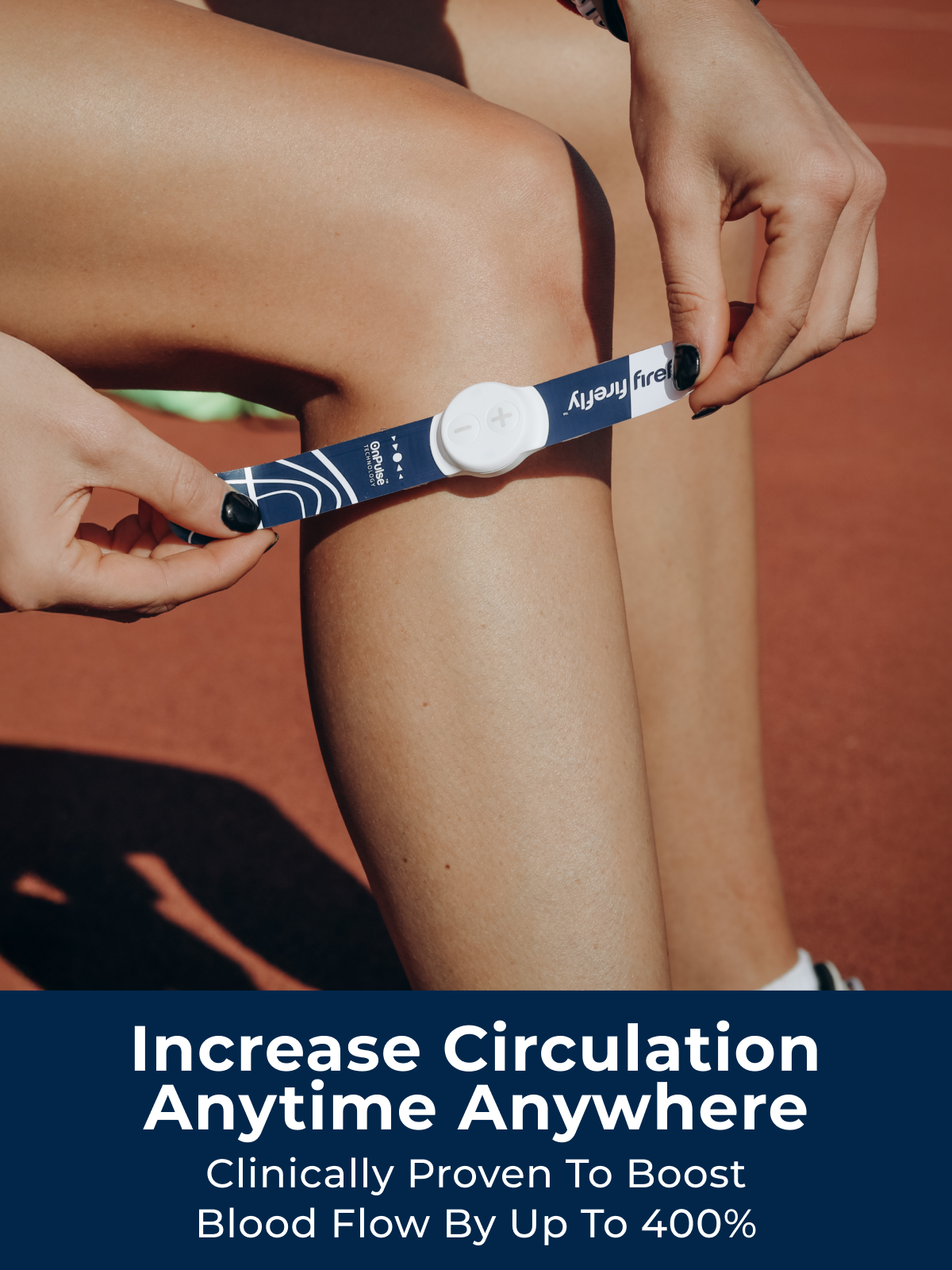
Firefly makes this new approach to recovery a reality. The wearable device uses gentle neuromuscular electrical stimulation to target the peroneal nerve, producing a subtle foot flutter that activates the lower-leg muscles.
According to Firefly, this process can increase blood flow by up to 400 percent. By supporting circulation during periods of inactivity, Firefly is designed to help reduce soreness and improve muscle performance.
Unlike recovery tools that require dedicated equipment or space, you can use Firefly while traveling, sitting, refueling after training, or winding down at the end of the day. It is designed to fit naturally into warm-up, post-workout recovery, and travel routines.
The Best Recovery Alternatives Work Between Routines
Recovery challenges rarely happen when athletes have free time. They happen during tournament weekends, road trips, back-to-back training days, and long workdays that leave little room for extra recovery sessions.
The body does not stop needing support because the schedule becomes crowded. In fact, many athletes lose the most ground in recovery during the hours between efforts, when movement drops and long periods of sitting become common.
That is why practical recovery tools are gaining attention. They allow athletes to support recovery during low-movement periods rather than waiting until ideal conditions arise.
FAQs
Are ice baths still useful for some athletes?
Yes. Many athletes continue to use ice baths as part of their recovery routines, especially after demanding training sessions or in team environments.
What makes a recovery tool easier to stick with long-term?
Convenience, portability, and the ability to fit naturally into daily routines are often the biggest factors.
Where does Firefly fit best: after workouts, during travel, or between games?
Firefly is commonly used during all three situations, particularly during periods of inactivity when movement naturally decreases.
Do portable tools replace the basics like sleep, hydration, and nutrition?
No. Recovery tools are designed to support recovery routines, not replace the fundamentals that drive long-term performance and recovery.
Where Firefly Fits In Modern Sports Recovery Technology
The newest generation of recovery tools is focused on practicality as much as performance. Rather than requiring athletes to stop what they are doing, these tools work alongside everyday routines.
Firefly fits that category because it is wearable, portable, and designed for athletes, travelers, and working professionals alike. Common use windows include 30 to 60 minutes before activity, 1 to 4 hours after workouts, and throughout travel.
Firefly supports recovery routines, but it does not replace sleep, hydration, nutrition, or smart training. Those fundamentals remain the foundation of effective recovery.


Why Recovery Alternatives Are Becoming About Consistency, Not Intensity
The recovery tools athletes keep using are often the ones that make the biggest difference over time.
That is why recovery alternatives are increasingly being judged by how well they fit real life rather than how extreme they appear. Athletes still want tools that increase blood flow, speed up recovery, reduce soreness, and improve muscle performance. They simply want those benefits in a format they can use consistently.
Explore how Firefly fits into warm-up, post-workout recovery, and travel routines to make recovery support easier to repeat and maintain.